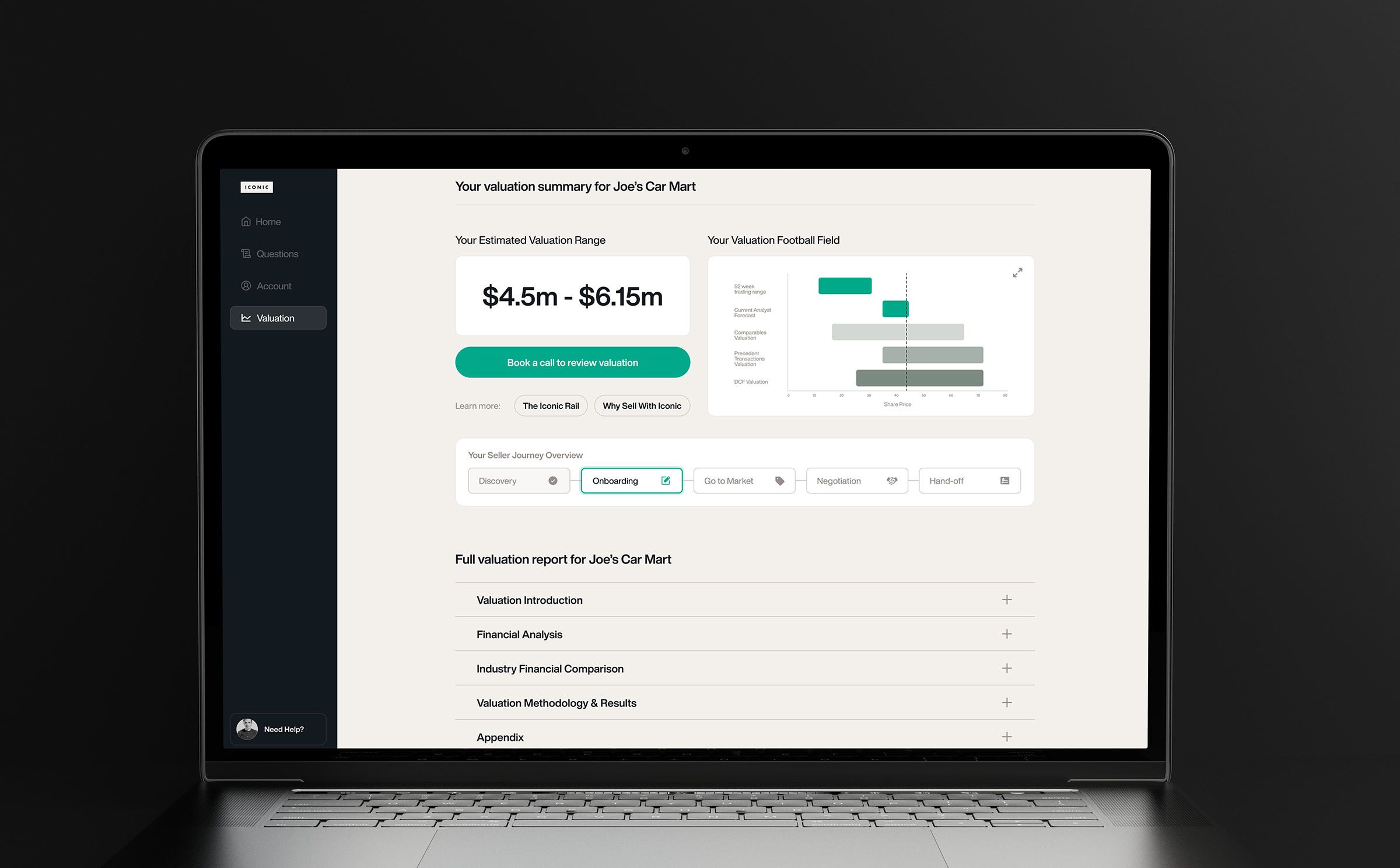
Valuing a business for sale is a multifaceted process that involves examining historical performance, current market dynamics, and projected future earnings. To begin, sellers frequently use several common valuation methods. The income-based approach focuses on future earnings capacity and employs metrics such as the Price-to-Earnings (P/E) ratio and EBITDA. In contrast, the asset-based method calculates the net value of tangible and intangible assets minus liabilities, which can be particularly effective for asset-rich businesses. Additionally, the market-based approach compares recent sales of similar companies and applies industry-specific multipliers to gauge value.
Key factors that affect a business’s valuation include financial performance, market conditions, and intangible assets. A strong, stable revenue stream combined with historical financial solidity and forward-looking growth potential can enhance a business’s value. Moreover, elements like a loyal customer base, solid brand reputation, proprietary processes, and intellectual property add further weight to the overall valuation.
The process of valuing a business typically starts with comprehensive market research and professional consultation to gather all necessary documentation, such as detailed financial statements and records of assets and liabilities. Given that selling a privately held business can sometimes take a year or more, achieving an accurate valuation is pivotal—not only to attract serious buyers but also to prevent the pitfalls of both overpricing and underpricing.
Best practices suggest using a combination of these valuation methods to strike a balance between current performance and future potential, ensuring a more well-rounded and accurate assessment. At Iconic, our expert team guides you through every aspect of the selling process—from Discovery to Fund & Close—leveraging our proprietary Iconic Rail™ tracking system. This comprehensive and transparent process helps ensure that business owners are well-informed and confident when setting the right asking price for their company.
Stats
- Research indicates that there are 3 primary methods for valuing a business—income‐based, asset‐based, and market‐based—each offering a distinct perspective on a company’s worth (source).
- When using the market‐based approach, factors such as business size, location, and recent comparable sales come into play, highlighting how market conditions shape valuation (source).
- Industry best practices recommend regular revaluation to account for evolving market trends and shifting financial performance, ensuring the business’s value stays current (source).